
How We Farm
Naturally Family Grown & No-Till
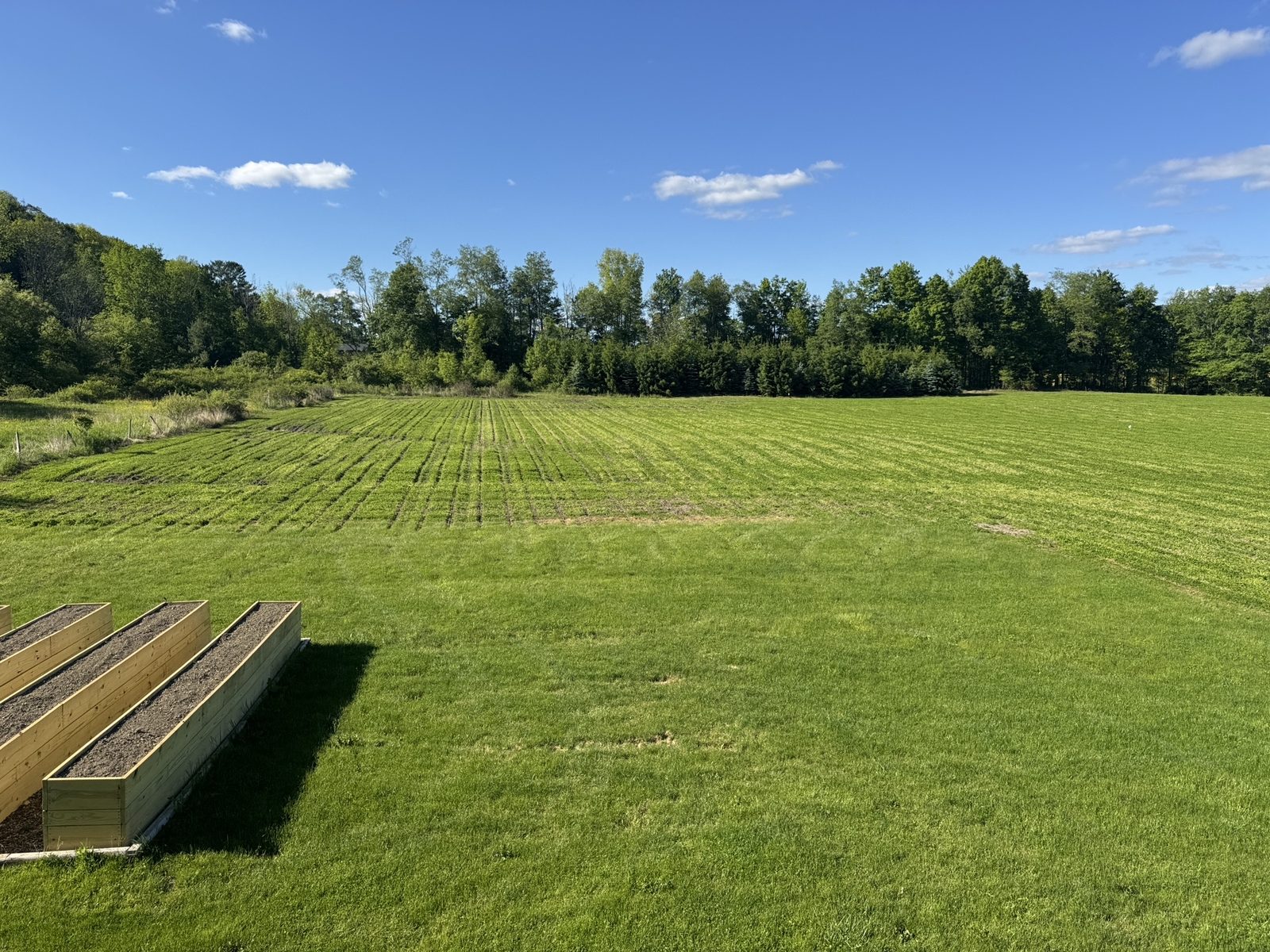
The healthiest food starts with the healthiest soil. Here's how we protect the living ground beneath our crops.
What "no-till" means
Conventional farming plows the soil before every planting. It looks tidy — but it shatters the underground web of roots, fungi, and earthworms that took years to build, and it leaves bare ground open to weeds and erosion.
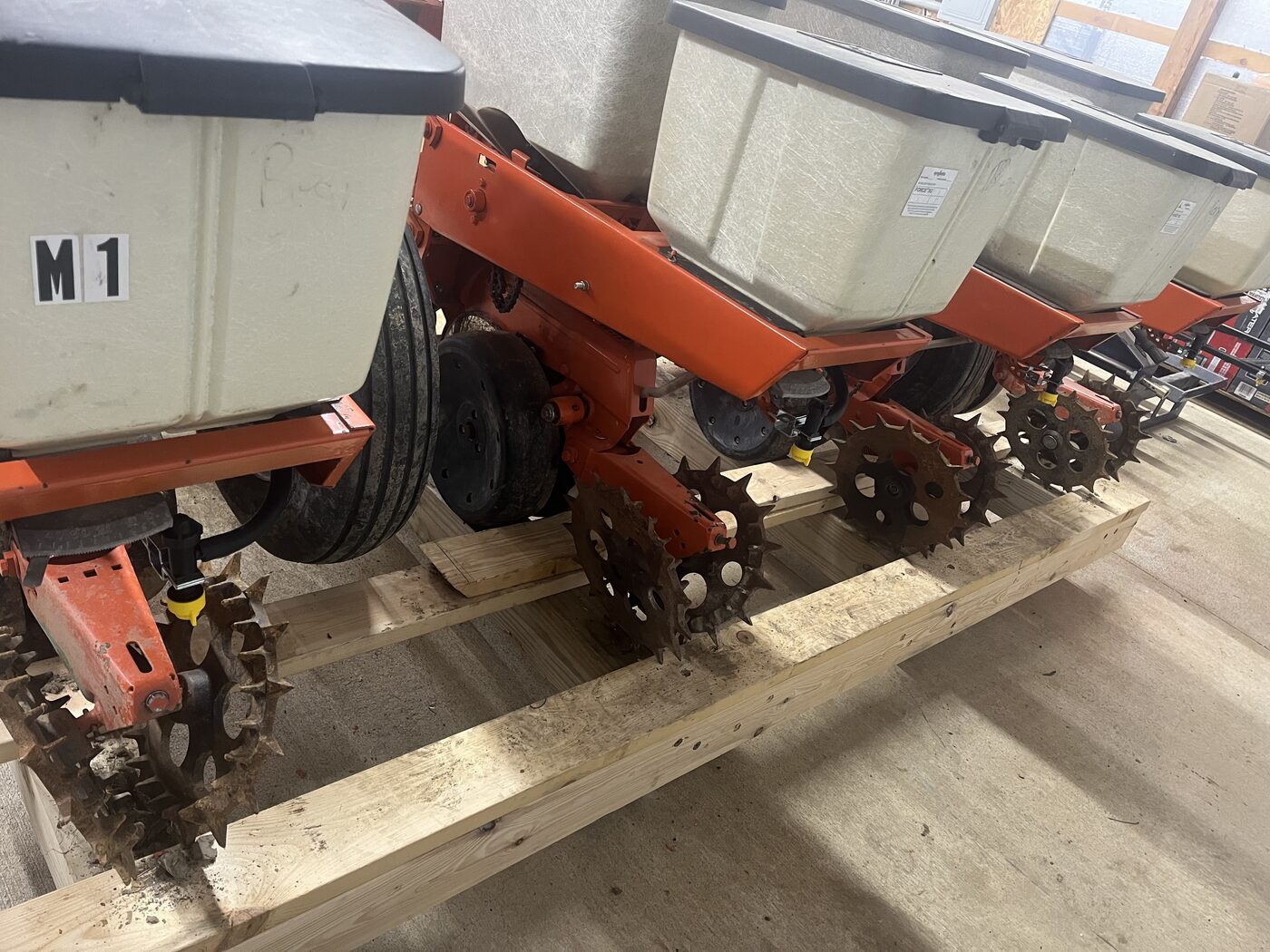
No-till leaves the soil intact. We plant directly into living ground, disturbing only a narrow strip for the seed. The structure stays put, the soil life keeps working, and the land holds onto its water and nutrients instead of washing them away.
How it works on our fields
A handful of principles guide every season. They reinforce each other — that's the point.
A blanket of white clover
Instead of bare dirt, our fields wear a living mulch of white clover. As a legume, it pulls nitrogen out of the air and feeds the soil naturally — on the order of 100–200 pounds of nitrogen per acre — while its low canopy shades out weeds before they can take hold.
As little spray as possible
We use no pre-emergent herbicides and no blanket spraying across the crop. At planting we lay down only a narrow in-row band so the seedlings can get ahead of the clover, and we ring every field with 50-foot clover buffers that are never sprayed at all.
Crop rotation is weed rotation
We rotate what grows where each year. Because different crops call for different care, rotating the fields keeps any one type of weed from ever settling in — the land naturally resets itself season to season.
Feeding the ground
Healthy soil is the whole game. Between the clover's natural nitrogen and a measured fertilizer plan, we focus on building soil that grows vigorous crops year after year — and we keep adding organic matter to the low spots to make tired ground better.
Green all the way down
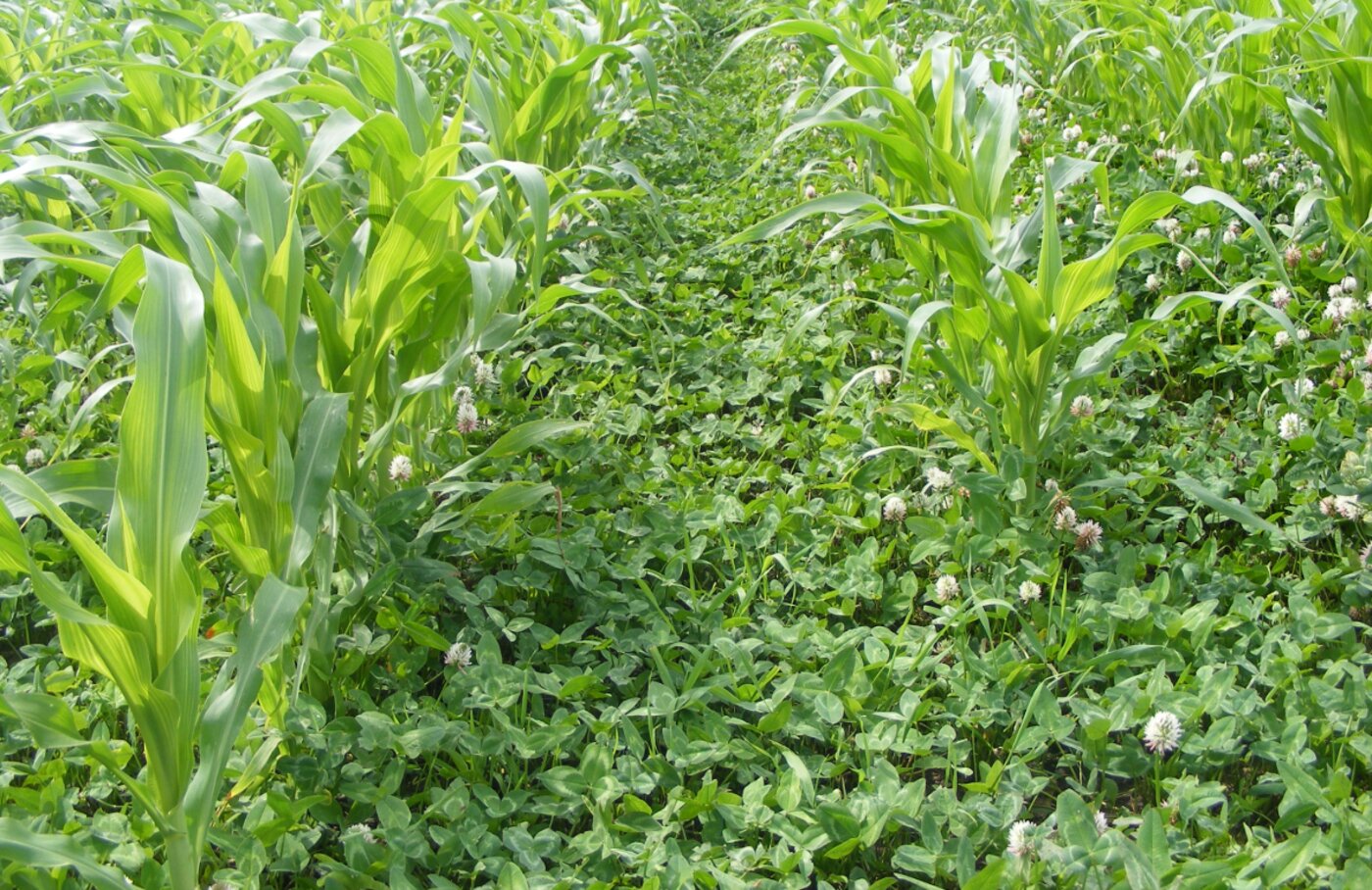
Walk our fields and you won't see bare dirt between the rows — you'll see clover. That living carpet is doing real work: feeding pollinators, fixing nitrogen, holding moisture in a dry spell, and keeping the soil cool and covered the way nature intended.
When it's time to plant, we clear only a narrow strip for the seed and drill straight in. The clover stays, the soil structure stays, and the earthworms and fungi that took years to establish never miss a beat. It's farming that works with the land instead of starting over every spring.
Better soil, better food, better land
Healthier soil
Undisturbed ground builds structure, stores carbon, and teems with the life that makes nutrients available to plants.
Less erosion
Roots and clover hold the soil in place, so heavy rain soaks in instead of carrying our fields downhill.
Honest food
Fewer chemicals and richer soil mean food we're proud to put on our own family's table — and yours.
Why we say “Naturally Family Grown”
We grow the way a family grows food for its own table — no-till ground, a living clover cover, crop rotation, and as little spray as the land allows. “Naturally Family Grown” is our own way of saying that. It is not a certification, and we do not claim one. We would rather simply tell you honestly how we farm, so you can decide for yourself. Healthy soil, real food, nothing hidden.